
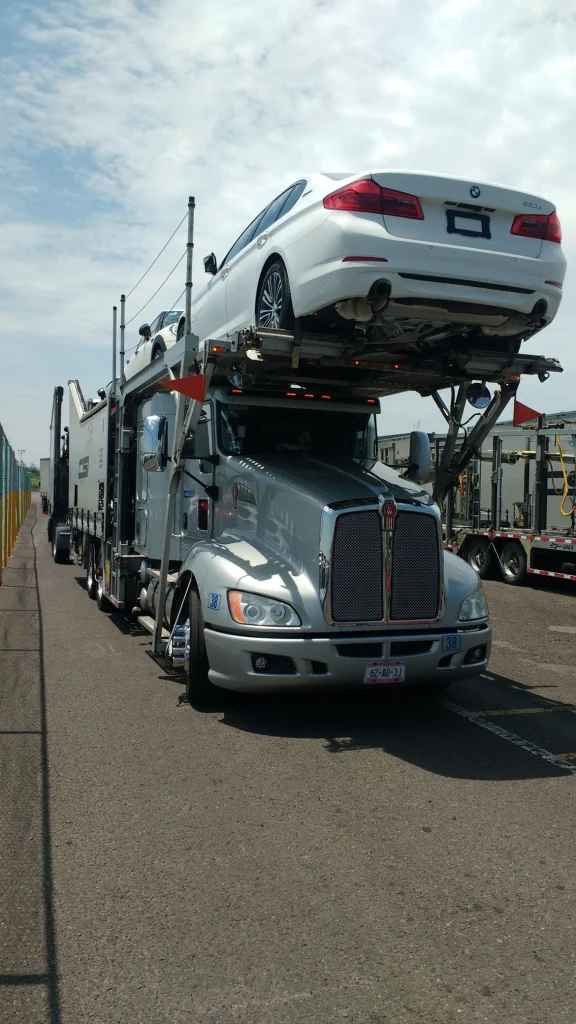
Long-distance vehicle transportation can make moving, purchasing a car from another state, or relocating for work more convenient. Before the carrier arrives, however, taking a few preparation steps can help reduce delays and make pickup and delivery easier.
Eagle Car Shipping provides auto transport options for customers who need to move vehicles between locations. Use this checklist to prepare your vehicle for a smoother shipping experience.
1. Clean Your Vehicle Before Pickup
Wash your car before the scheduled pickup. Dirt, dust, and mud can make it harder to identify existing scratches, dents, paint chips, or other visible damage.
A clean exterior also makes it easier to photograph the vehicle accurately. You do not need to detail the entire interior, but remove loose items that could shift during loading or transit.
2. Take Detailed Photographs
Photograph your vehicle from multiple angles before transportation. Capture the front, rear, both sides, wheels, roof where accessible, and any existing damage.
Save the photographs with the pickup date and retain the carrier’s vehicle condition report. These records provide a useful reference when checking the vehicle at delivery.
If you notice a new concern after transportation, document it immediately and follow the carrier’s reporting and claims instructions.
3. Remove Personal Belongings
Personal belongings can create complications during vehicle transport. Transport arrangements and insurance may not cover items left inside the vehicle, and carriers may restrict personal property for safety, weight, or regulatory reasons.
Remove luggage, electronics, valuables, important documents, loose accessories, and other personal items. Check the glove compartment, trunk, center console, and under-seat areas.
Confirm any limited exceptions directly with the provider before pickup rather than assuming personal items are permitted.
4. Check the Vehicle’s Mechanical Condition
Tell the transport provider whether your vehicle starts, steers, rolls, and brakes normally. A non-running vehicle may require specialized loading equipment and can affect the price.
Check for visible fluid leaks and report any known mechanical problems. Ensure the battery is sufficiently charged and the tires are inflated appropriately for safe handling.
Do not attempt repairs beyond your ability or ignore a known safety issue. Clear communication helps the provider arrange appropriate equipment.
5. Keep the Fuel Level Appropriate
For a standard operable vehicle, carriers commonly request a low fuel level sufficient for loading and unloading rather than a full tank. Follow the transport provider’s instructions, which may vary according to the vehicle and carrier.
Electric and hybrid vehicles may have additional requirements. Ask the provider about battery charge levels and any vehicle-specific preparation instructions before the pickup date.
6. Disable Alarms and Prepare Accessories
If possible, disable aftermarket alarms that could activate during transport. Secure removable accessories and notify the provider about modifications such as low ground clearance, roof racks, spoilers, oversized tires, or aftermarket body kits.
These details can influence loading arrangements and the equipment needed to transport the vehicle safely.
7. Confirm Pickup and Delivery Details
Verify the pickup address, destination, contact numbers, booking details, and expected scheduling window. Ensure that someone authorized can release the vehicle and that the carrier can safely access the pickup location.
If a large transport truck cannot reach the property, agree on a nearby accessible meeting point.
Keep your phone available and inform the provider if your plans change.
8. Review Insurance and Transport Documents
Before the vehicle leaves, review the booking confirmation, applicable terms, carrier information, insurance arrangements, and condition report.
Ask who is responsible for transportation, what cargo coverage applies, which exclusions or deductibles may exist, and how to report damage. Do not assume that every policy covers every type of loss.
Keep copies of relevant documents and payment records.
9. Inspect Your Vehicle at Delivery
When your car arrives, inspect it carefully before completing the delivery paperwork. Compare its condition with the original photographs and pickup report.
If you identify damage or another issue, record it on the delivery documentation where permitted, take photographs, and notify the carrier and responsible transport provider promptly. Follow the applicable claims process and deadlines.
Final Checklist
– [ ] Clean the vehicle exterior.
– [ ] Photograph existing damage.
– [ ] Remove personal belongings.
– [ ] Disclose mechanical issues and modifications.
– [ ] Follow the provider’s fuel and battery instructions.
– [ ] Confirm pickup and delivery arrangements.
– [ ] Review insurance details and documents.
– [ ] Inspect the vehicle upon delivery.
Conclusion
Preparing your vehicle before long-distance transport helps you document its condition, communicate important details, and avoid preventable complications. A little preparation can make the shipping process more organized from pickup through delivery.
For assistance with open car transport, enclosed car transport, door-to-door shipping, or state-to-state auto transport, contact Eagle Car Shipping at (346) 615-8110 or info@eaglecarshipping.com.
3. Terms & Conditions Page Content
Suggested URL: /terms-and-conditions/
Important: This is a general website terms template, not legal advice. Before publishing, have the business confirm its actual operating model, broker/carrier status, payment practices, and applicable laws with a qualified attorney.